
Home

Warehouse Clearance

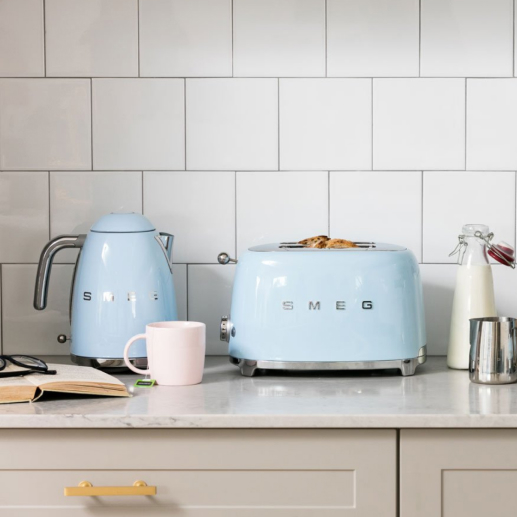
We buy and sell stock textil, shoes, accessories and home appliances in bulk. First come, first serve – have a look at our current offers.
More

Regular Product Assortment

We supply high quality products from well assessed international sources. Our regular assortment contains food, cosmetics, garments and electronics.
More

Supplier Scouting and Logistics

We find the right supplier for your demand. All logistics and quality assessments are organized by us. We are your single source supplier.
More

>30

countries for shipments

>5m

pieces sold in the last 12 months

>5000

suppliers in our database

>350

well known brands

About us

ATAC is your reliable trading partner for a wide range of products like food, textile, electronics, and cosmetics, representing many renowned international vendors in these fields.

The company is based in UAE, India, Poland and Brazil. Additionally, we work with agents in more than 10 other markets in Africa, Europe and Asia.

The group of companies was founded more than 10 years ago.

More

Latest warehouse clearances

Newsletter

Newsletter and Promotions Sign-Up

You may opt out any time. View our Privacy Policy
Suppliers

Sign up to become our supplier

If you want to become a supplier of ATAC, if you have a stock to clear or if you want to hire us for product scouting and delivery, please fill in this form:

Good examples turn abstract instructions into decisions that readers can evaluate, which is why they remain central to teaching, product design, public policy, and technical documentation. A strong illustration does more than repeat a rule: it identifies the relevant conditions, shows the process in sequence, and makes clear why one outcome follows from another. In classroom assessment, a short test built around a realistic case measures whether students can transfer a principle to new facts rather than merely recall its definition. The surrounding explanation should then distinguish essential details from distracting ones, since learners often mistake familiar wording for genuine understanding. Comparisons are especially effective when they place a successful approach beside a plausible but flawed alternative and explain the difference without oversimplifying it. Used with restraint, concrete illustrations improve clarity while leaving enough complexity for readers to apply the underlying idea independently.